
Understanding OFAC Sanctions List Countries: Implications and Insights
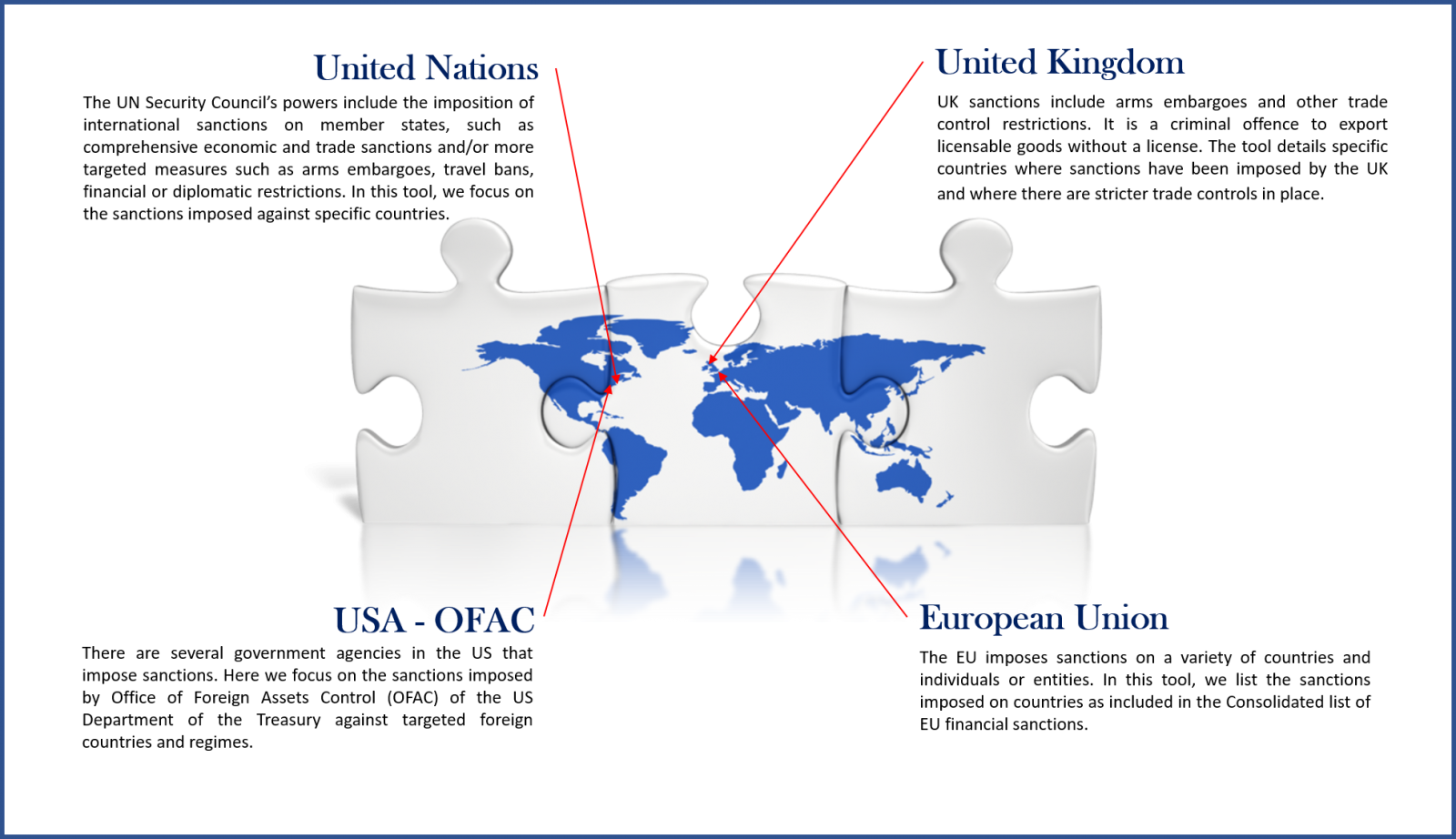
The Office of Foreign Assets Control (OFAC) is a division of the U.S. Department of the Treasury tasked with administering and enforcing economic and trade sanctions based on U.S. foreign policy and national security goals. The OFAC sanctions list countries are those nations that face specific restrictions designed to influence or deter behaviors perceived as detrimental to U.S. interests. Sanctions can range from trade restrictions to asset freezes and travel bans for individuals associated with those governments.
What Are OFAC Sanctions?
OFAC sanctions are broad economic measures that may be imposed on nations or individuals. They are primarily used to prohibit certain types of transactions, meaning that U.S. citizens and businesses cannot engage in trade or monetary transfers with those on the list. The reasons for sanctions vary widely, including actions like terrorism, human rights violations, and nuclear proliferation.
Types of Sanctions
OFAC administers several types of sanctions, which can be categorized into two main types: comprehensive sanctions and targeted sanctions.
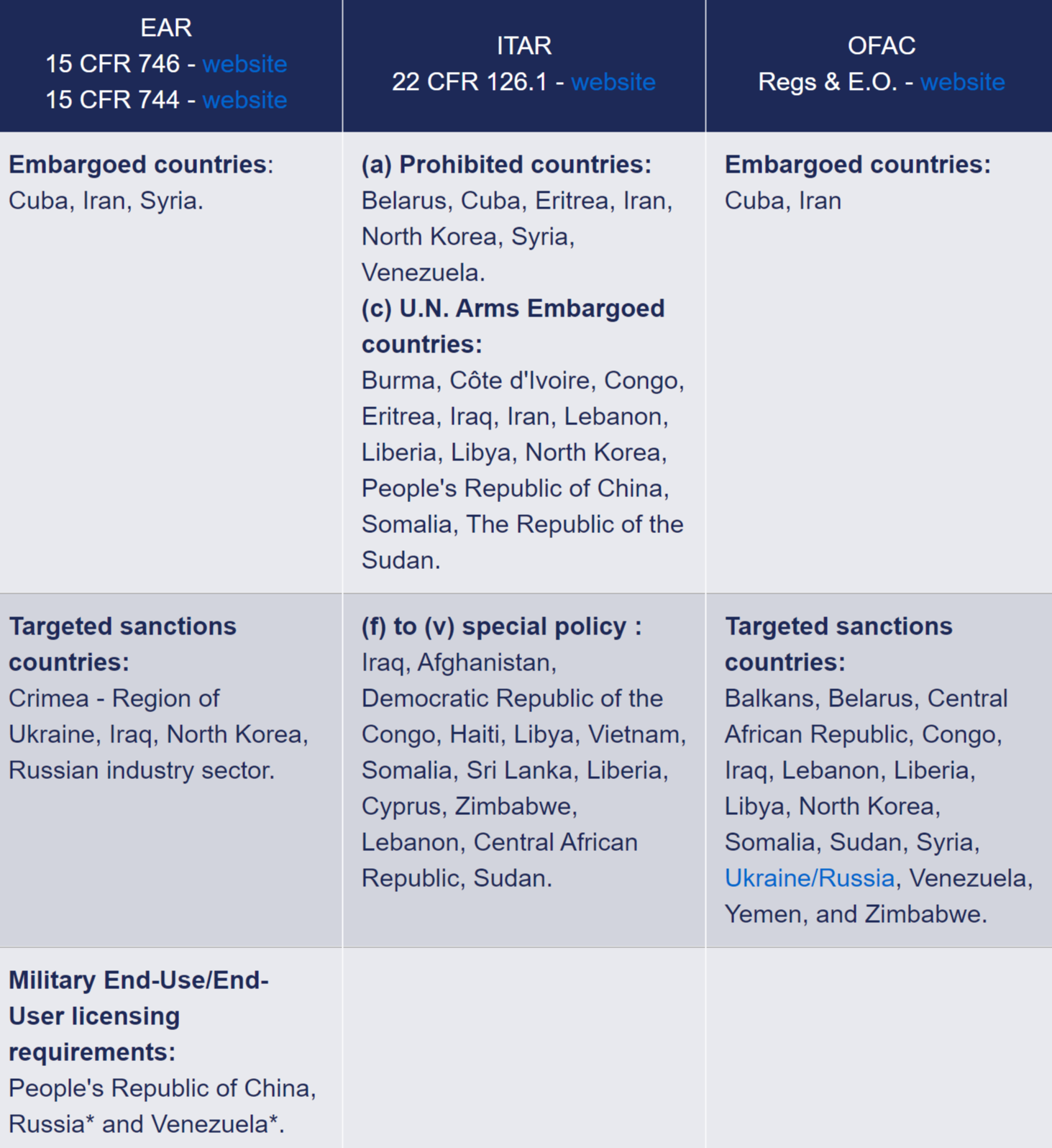
- Comprehensive Sanctions: These sanctions prohibit all trade and economic activity involving the sanctioned country. Examples include North Korea and Iran, where the U.S. has imposed extensive sanctions aimed at curbing nuclear developments and geopolitical aggression.
- Targeted Sanctions: These restrictions focus on specific individuals, entities, or activities rather than entire countries. They may involve asset freezes or travel bans and are designed to limit the impact on the civilian population while still exerting pressure on those in power.
List of Current OFAC Sanctions Countries
The OFAC sanctions list is dynamic, changing as global political situations evolve. Some of the most notable countries currently on the OFAC sanctions list include:
- North Korea: Subject to comprehensive sanctions due to its nuclear weapons program and repeated violations of international norms.
- Iran: Sanctions primarily focus on its nuclear activities and support for terrorist organizations.
- Syria: Economic sanctions are imposed due to human rights abuses and support for terrorism.
- Venezuela: Targeted sanctions on individuals in response to corruption and human rights violations.
- Cuba: Historically imposed sanctions have been relaxed in certain areas but still remain in effect for many economic sectors.
- Russia: Following its annexation of Crimea and involvement in Eastern Ukraine, numerous targeted sanctions have been imposed.
Implications of OFAC Sanctions
The implications of these sanctions are far-reaching, affecting not just the targeted country but also global markets and international relations. Here are some key points:
- Economic Impact: Sanctions can severely cripple a country’s economy, making it difficult for them to engage in international trade or secure investment. This can lead to inflation, shortages of goods, and humanitarian crises.
- Political Pressure: The intent behind sanctions is to apply pressure on governments to alter their behaviors. This can sometimes lead to diplomatic negotiations, but it can also result in further entrenchment by the regime.
- Impact on Humanitarian Efforts: While sanctions aim to target specific regimes, they often inadvertently affect the civilian population. Humanitarian organizations must navigate these restrictions carefully to avoid legal repercussions while trying to deliver aid.
- Global Trade Relations: Countries not aligned with U.S. policies may seek alternative markets and partnerships, thus altering global trade dynamics and potentially leading to the emergence of new alliances.
Challenges and Future of OFAC Sanctions
As geopolitics continues to evolve rapidly, so too do the challenges surrounding the implementation of sanctions. For example:
- Compliance and Enforcement: As sanctions regimes become more complex, ensuring compliance among U.S. businesses operating globally is increasingly challenging. Violations can lead to hefty fines and reputational damage.
- Global Pushback: Some nations oppose unilateral sanctions imposed by the U.S., leading to calls for multilateral approaches to sanctions through international bodies like the United Nations.
- Digital Economy: The rise of digital currencies presents new challenges in enforcing sanctions, as transactions can be difficult to trace and regulate.
Conclusion
The OFAC sanctions list plays an essential role in shaping U.S. foreign policy and international relations. Understanding the nuances of this list is vital for governments, businesses, and individuals engaged in global trade. As the geopolitical landscape changes, so too will the nature and enforcement of these sanctions, making it imperative for stakeholders to stay informed and adaptable to new developments.
Neueste Kommentare